-
Fast processing – customizing dozens or even hundreds of documents in a short amount of time.
-
Fully automated – the process can run without manual intervention (with the option to make adjustments where necessary).
-
Scalability – a solution for small and large organizations (government agencies, universities, and businesses).
-
Consistent compliance with WCAG and PDF/UA standards – the system validates input files and automatically generates accessible versions.
-
Greater accessibility – documents become readable by assistive technologies (such as screen readers), including scanned documents thanks to OCR.
-
Secure and convenient publishing – customized versions can be saved for later use or automatically published to the target site or repository.
-
The SaaS model—no need to build your own infrastructure or maintain your own IT team to manage the environment.
Aidapta – digital accessibility without the hassle of manually editing PDFs
A comprehensive solution for digital document accessibility in your organization.
- ✓ Accessible PDFs
- ✓ Less manual work
- ✓ Compliance with WCAG 2.2
What is Aidapta?
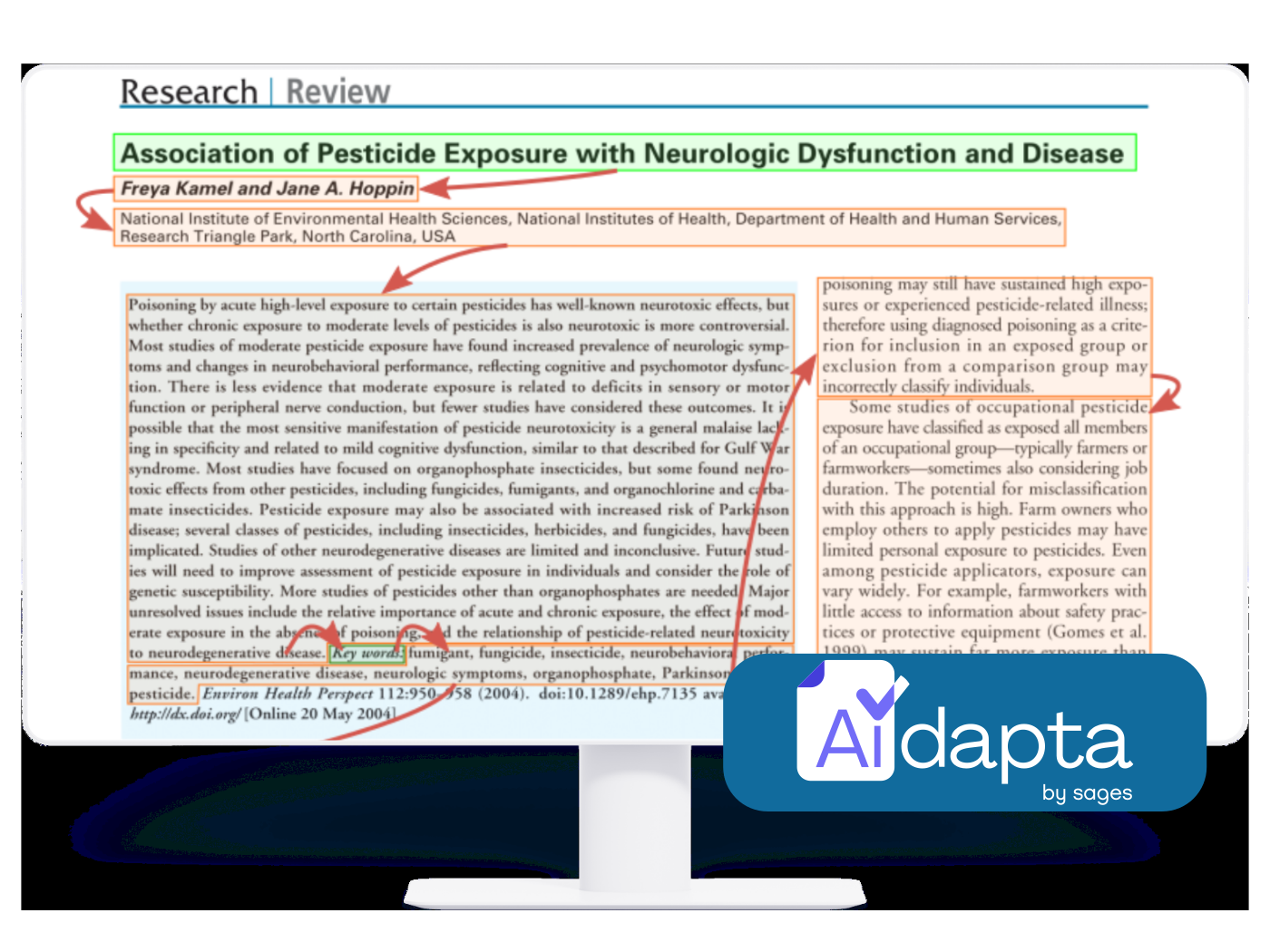
Aidapta is a modern tool for automatically adapting documents and ensuring compliance with accessibility requirements, including WCAG and PDF/UA. It combines AI-powered automation for PDFs and scanned documents with integrations into publishing systems and the option to make manual corrections, helping organizations publish documents faster, more reliably, and more inclusively.
Benefits of implementing the tool
Benefits for organizations
Automating the document accessibility process enables organizations to publish more content faster, with fewer errors and lower operating costs.
- 01
Automated PDF processing to meet accessibility standards
Limit manual work to exceptional cases.
- 02
Faster document publication
Resolutions, regulations, announcements, reports, and statements can be delivered to recipients more efficiently and in a more organized manner.
- 03
Lower risk of non-compliance
Reduce the risk of non-compliance with accessibility requirements (WCAG / PDF/UA) and improve auditability.
- 04
Scalability
The ability to process large volumes of documents in a short amount of time.
How does Aidapta work?
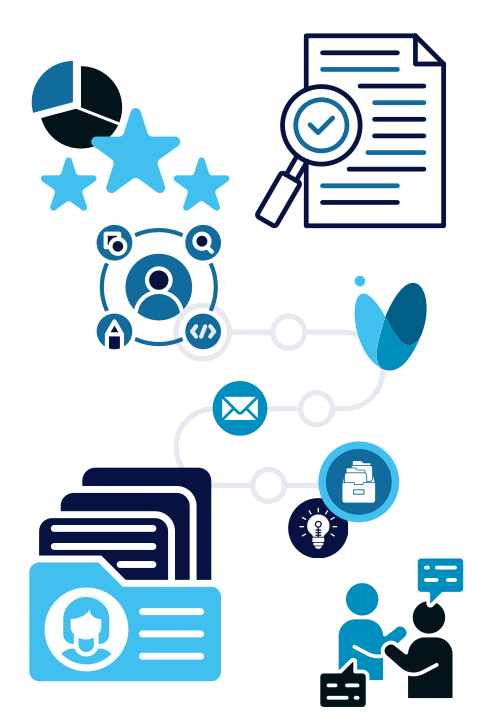
Integration with a repository / publishing system
After publication, a new file can be automatically sent to Aidapta, for example from the Public Information Bulletin (BIP), a document management system, or a website.
Automatic adjustment
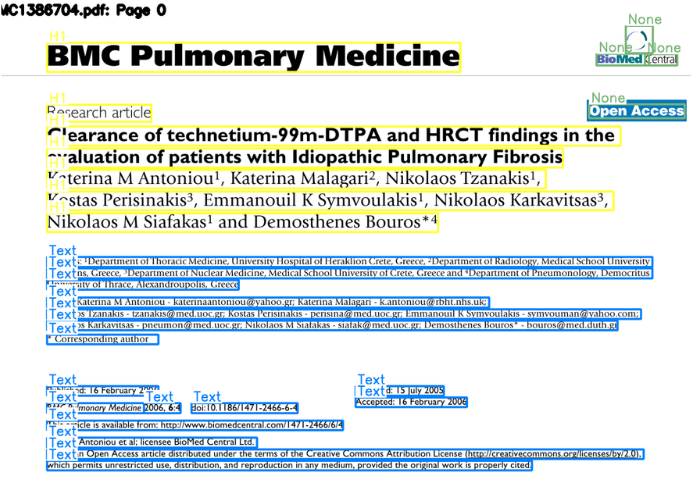
The system analyzes the document and generates a version that complies with accessibility requirements, including WCAG and PDF/UA.
Accessibility statement for the file
Optionally, an accessibility statement can be generated and attached to the processed document.
Publication
The accessible version is automatically sent to the repository or target website.
Quality monitoring
You can review and edit selected files and submit comments through a dedicated channel.
Key system features
Aidapta uses artificial intelligence to automate document processing, including:
-
validation of input documents (compliance with PDF/UA and WCAG),
-
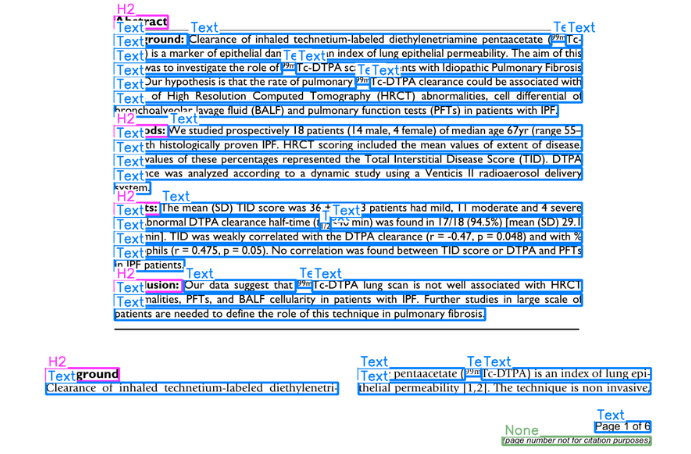
identifying the structure (headings, paragraphs, lists, footnotes) and the reading order,
-
identifying and improving table structures,
-
content tagging in accordance with PDF/UA (including the marking of artifacts),
-
generating alternative text for non-text elements (images/charts), OCR for scanned documents,
-
identifying and completing metadata (e.g., title, language),
-
generating the final version in PDF and HTML,
-
As part of the organization’s publishing ecosystem:
-
Integration with repositories and publishing systems (e.g., the Public Information Bulletin, document database, website).
-
Communication APIs for sending files for processing, receiving output files, and checking status.
-
Integration with CMS and other document management systems.
-
Let’s talk about implementing Aidapta
Leave your contact information and we’ll show you how Aidapta can support your document management processes.