Automatic class scheduling
UniPlaner – a system that automates class scheduling at universities
UniPlaner is a web application that supports the entire class scheduling process, from retrieving data from the student information system (e.g., USOS), through configuring rules and collecting instructor availability, to automatically generating the schedule and exporting the final timetable back to the system.
Why do universities choose UniPlaner?
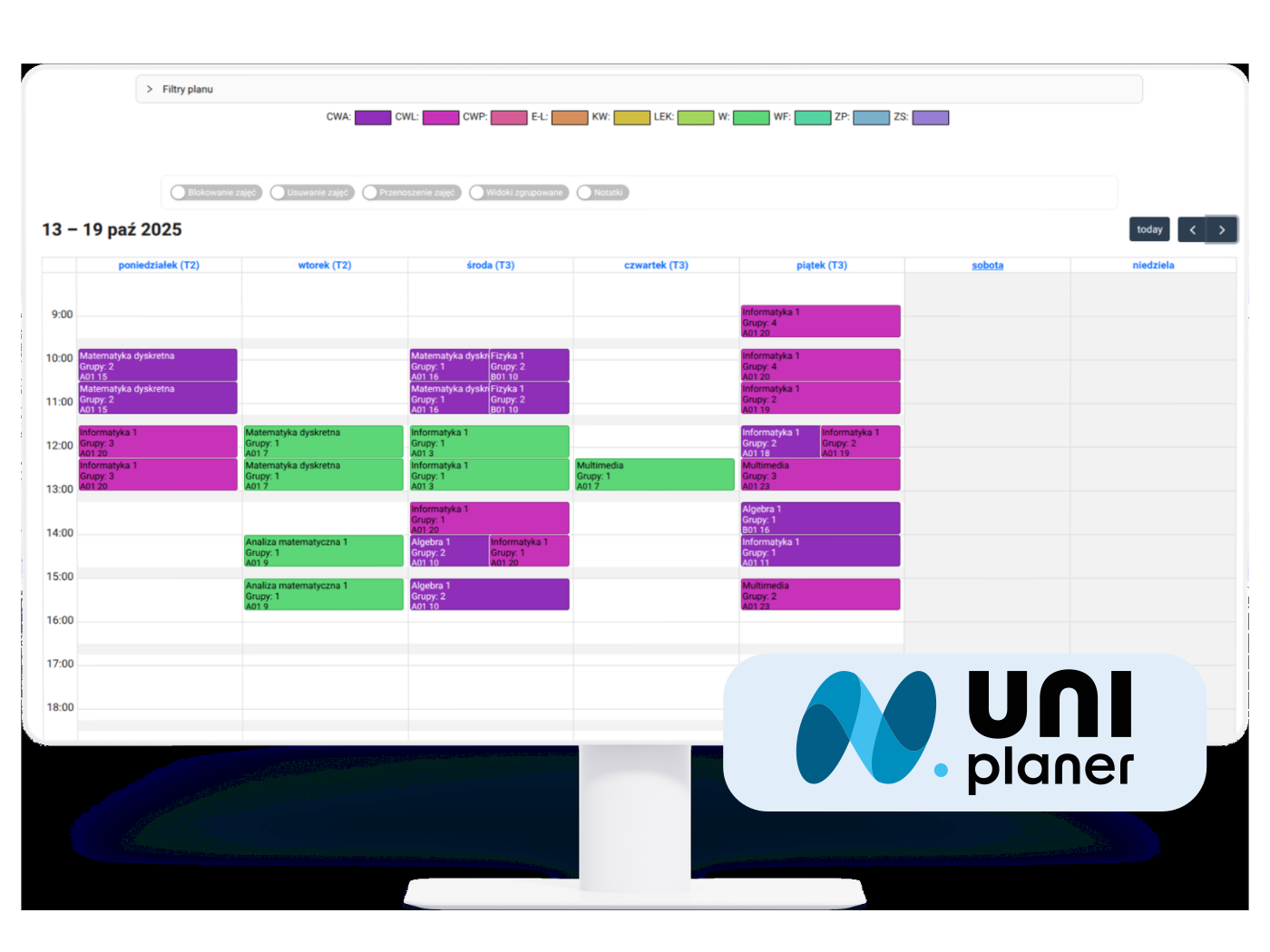
Class scheduling is one of the most complex operational processes at a university. UniPlaner automates timetable creation based on defined rules and criteria, while minimizing conflicts and reducing manual adjustments. The system runs as a web application, can be fully deployed on the university’s infrastructure, and integrates with the student information system without interfering with its core logic.
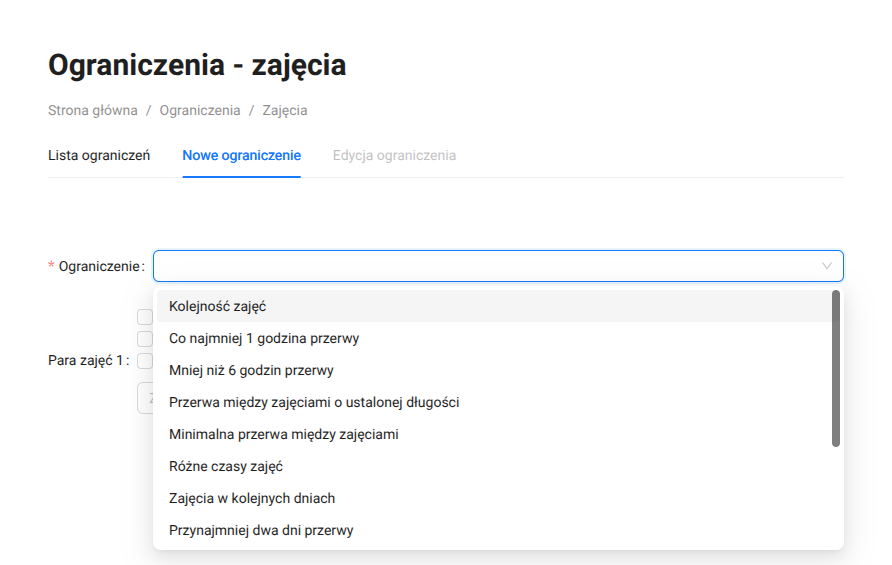
See what UniPlaner looks like
Key benefits for universities
-
Time savings and less manual work—automatic plan generation and fewer manual adjustments.
-
Fewer conflicts and better organizational structure—eliminating scheduling conflicts between rooms, instructors, and groups, and ensuring compliance with scheduling rules.
-
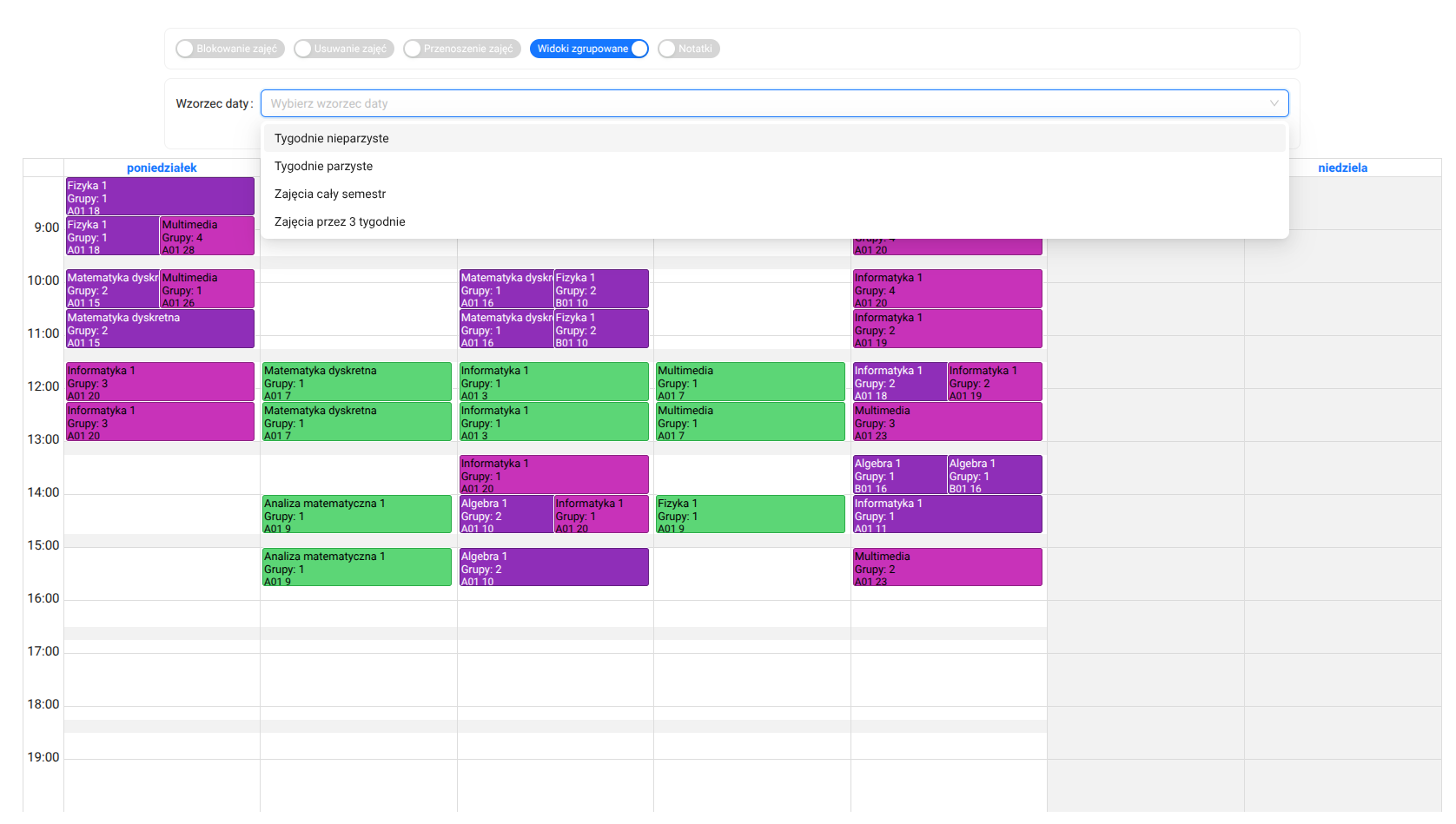
Consistency and predictability – planning within a defined framework (schedule, breaks, restrictions, recurring patterns).
-
Plan versioning and archiving – statuses (draft / complete / published), with the ability to compare and store plans.
-
Flexibility for various modes and types of education—full-time, part-time, postgraduate, and doctoral programs.
-
Reporting and data export – including room occupancy and utilization, as well as the export of schedules and reports (xlsx, xml, csv, json, pdf).
-
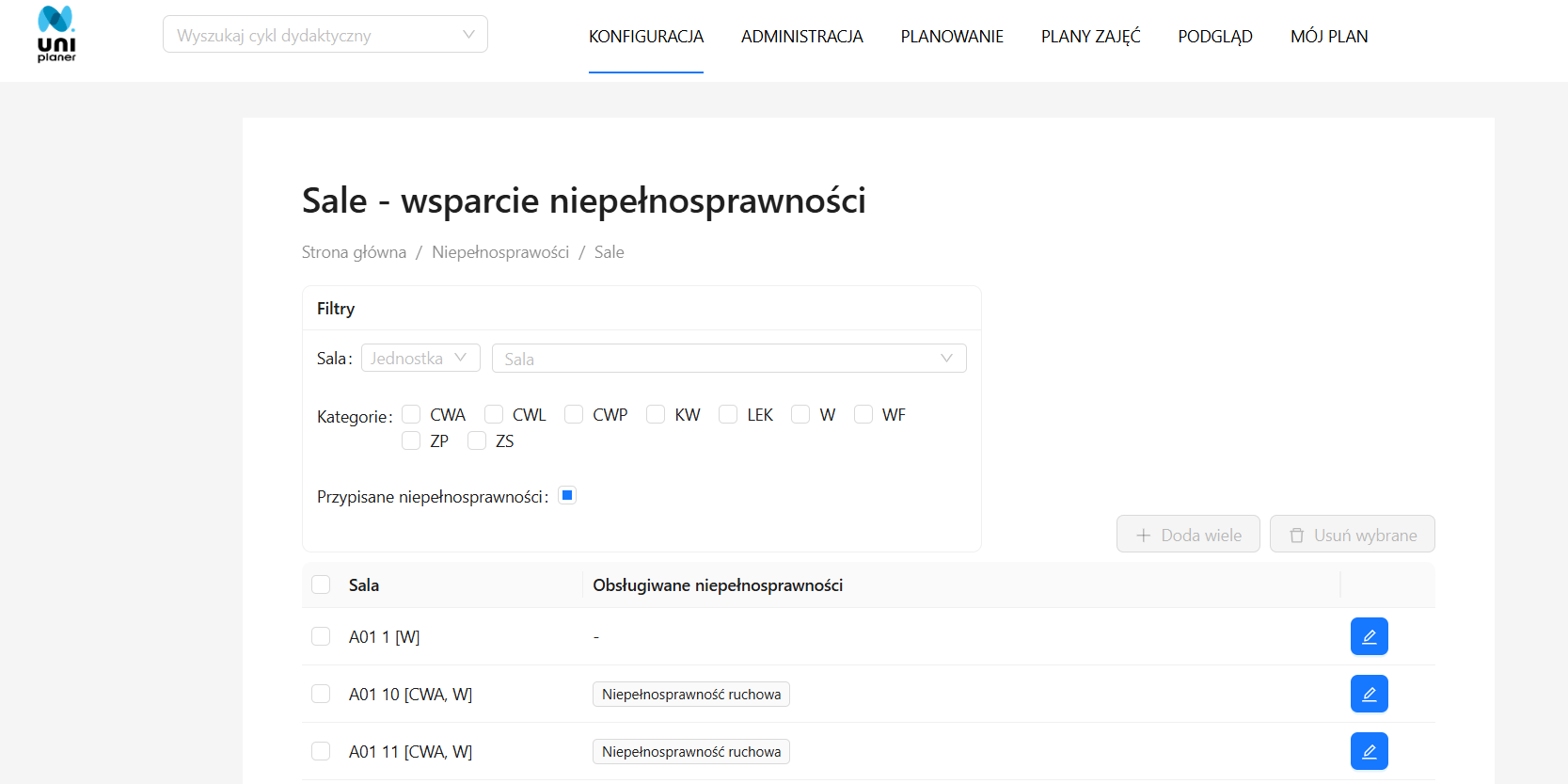
Accessibility and inclusivity – meeting digital accessibility requirements, with the ability to accommodate the needs of people with disabilities (e.g., labeling rooms and groups).
-
Security and auditing – user activity log, control of write/modify operations, and roles/permissions.
Benefits for university administrators
UniPlaner helps streamline planning across the entire university and provides tools for ensuring the quality of schedules, including reports on room utilization and the alignment of the schedule with academic programs.
- 01
Insight into the workload and utilization of teaching infrastructure
Easier analysis of room and resource usage across the entire university.
- 02
Better organization of the semester
Rules, schedules, and conflict resolution help keep planning on track.
- 03
Managing changes during the semester
The ability to make changes and notify those concerned.



How UniPlaner works: a 5-step process
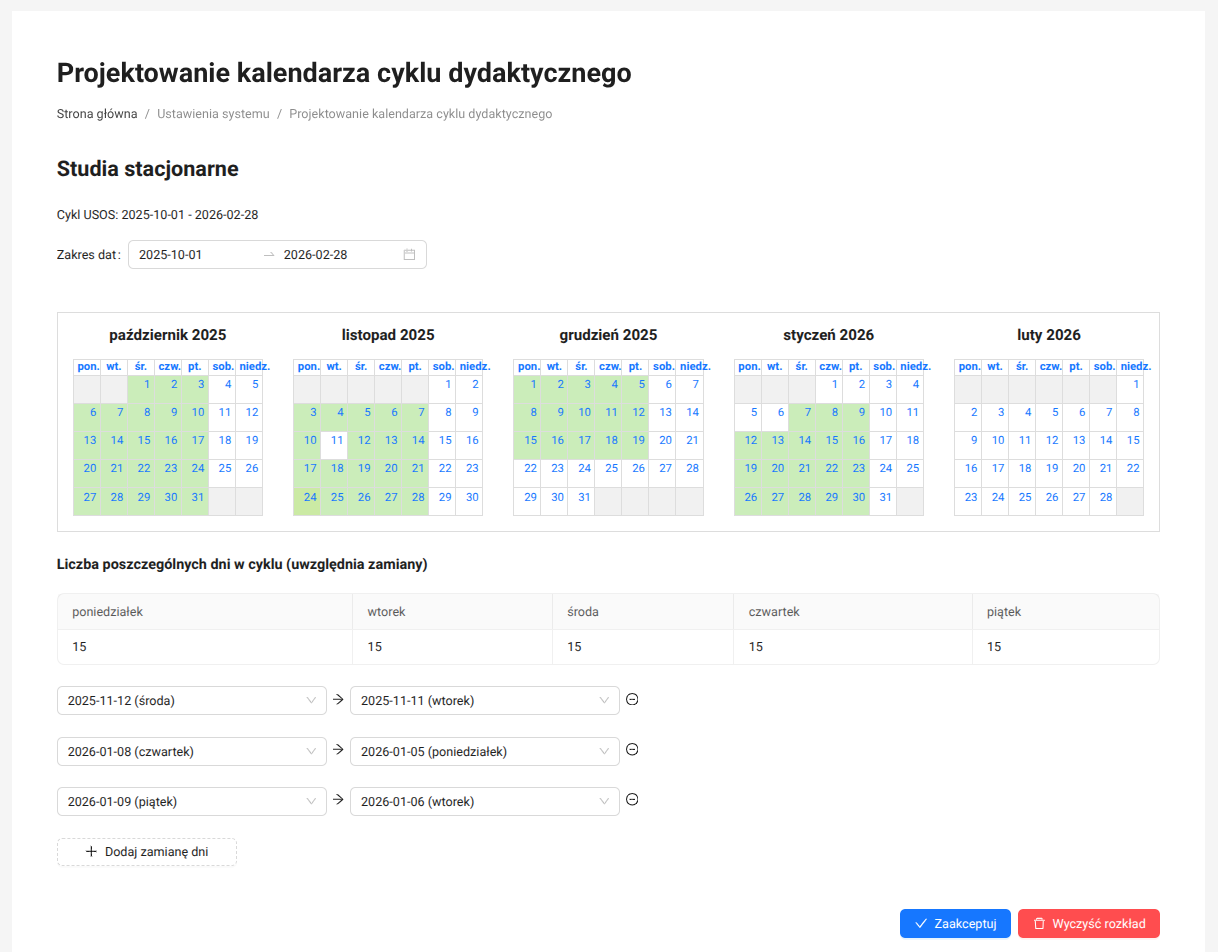
Automatic data retrieval from the student information system
Courses, class formats, instructors, syllabi, groups, and classrooms are retrieved automatically.
Planner configuration of rules and parameters
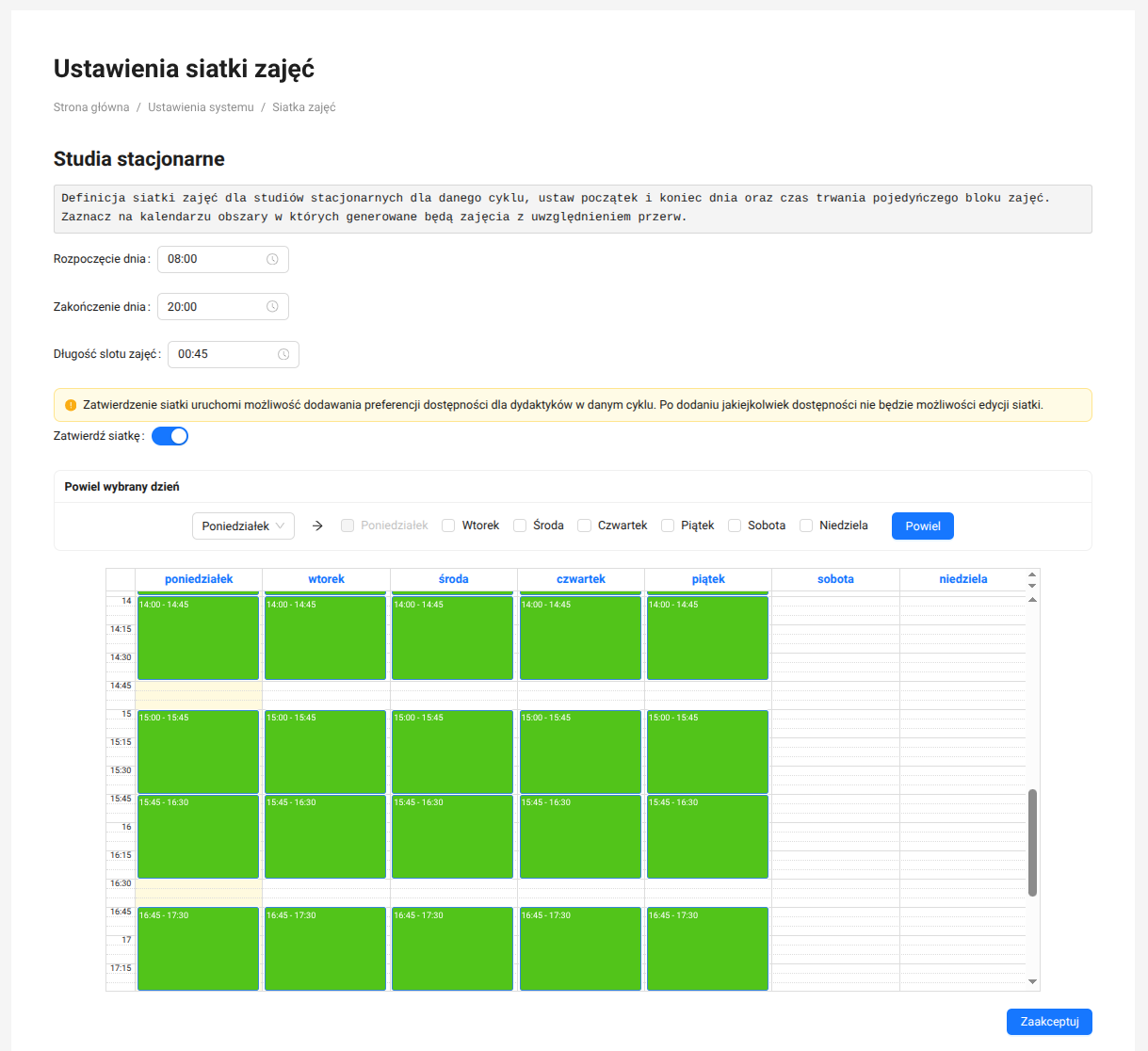
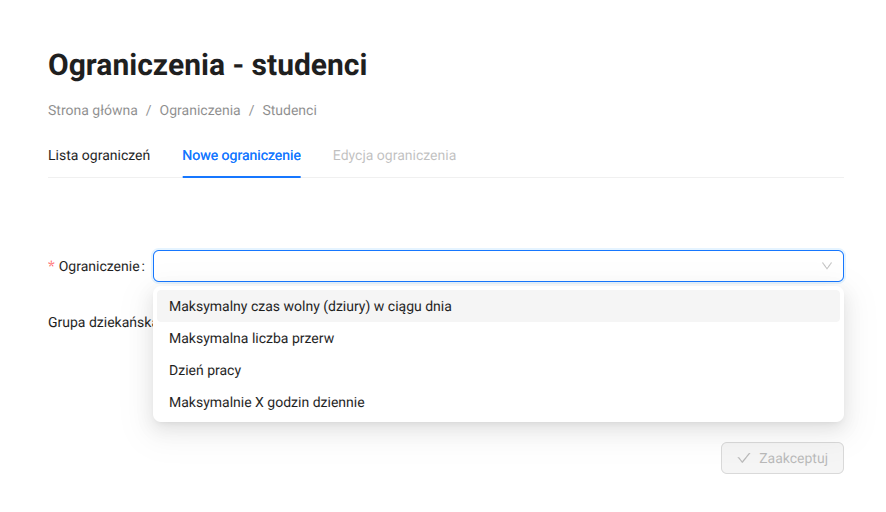
The planner defines the academic year structure, class times, breaks, room preferences, constraints, and recurring patterns.
Collection of instructor unavailability
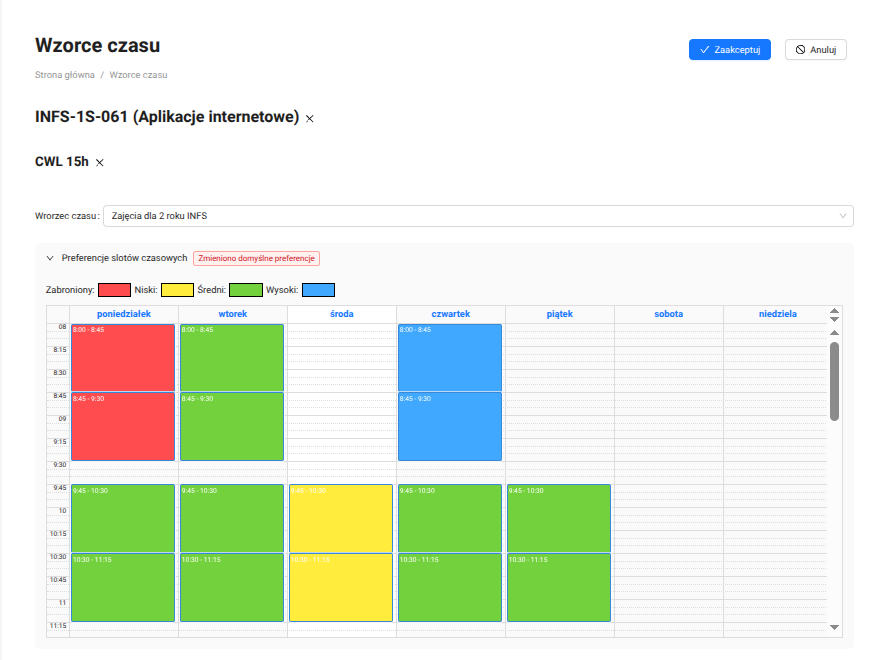
The system takes into account unavailable days, times, and dates, including custom time slots.
Automatic timetable generation
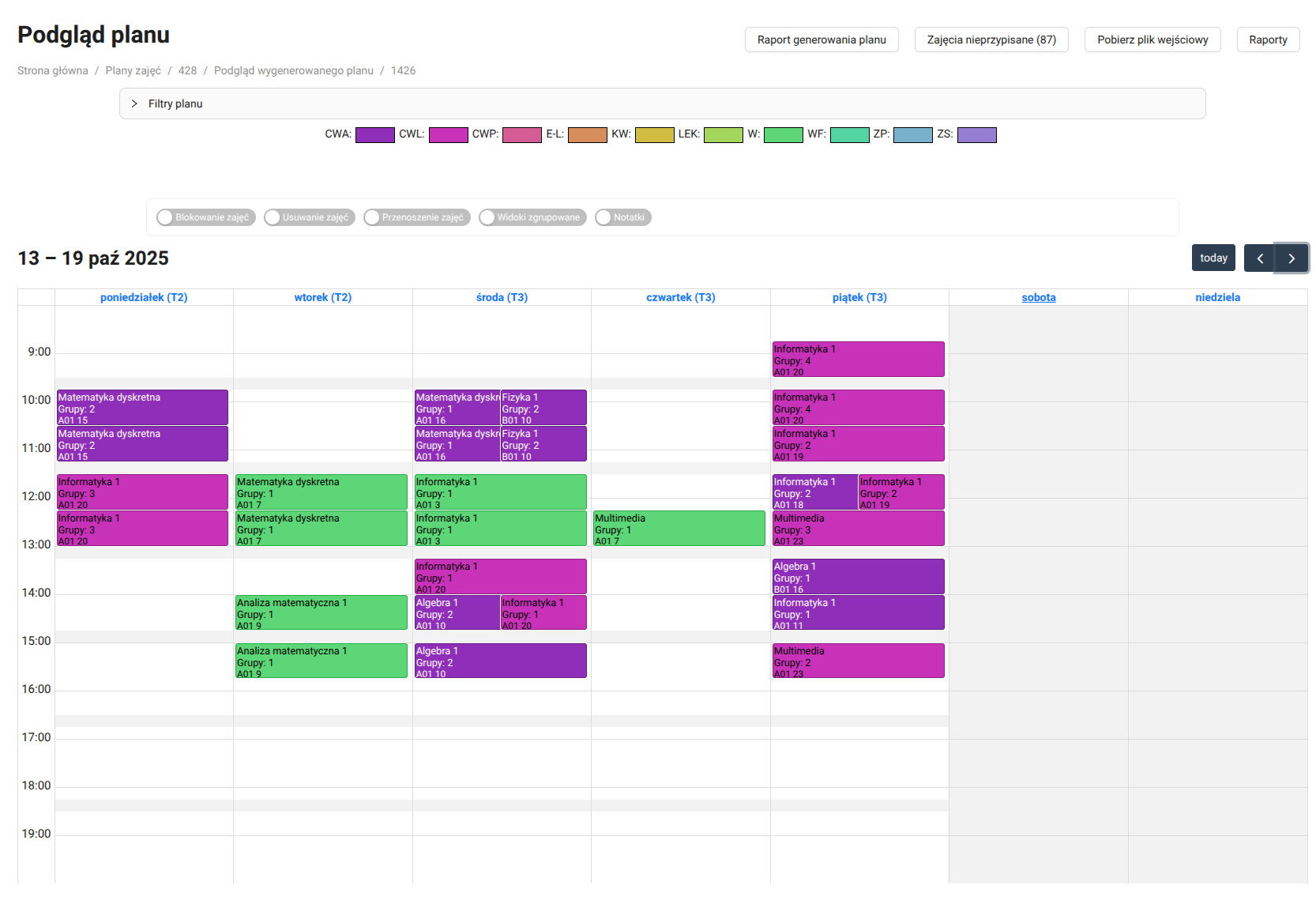
The timetable can be refined iteratively, and views can be filtered by classroom, course, program, or instructor.
Approval and export to the student information system
Once approved, the timetable is automatically published in the student information system.
An investment in teaching operations that pays off
UniPlaner is more than a timetable generator. It streamlines scheduling across the university, minimizes conflicts, shortens preparation time, and improves the experience of planners, instructors, and students.
Let’s talk about implementing UniPlaner
Leave your contact information and we’ll show you how UniPlaner can support your scheduling processes.